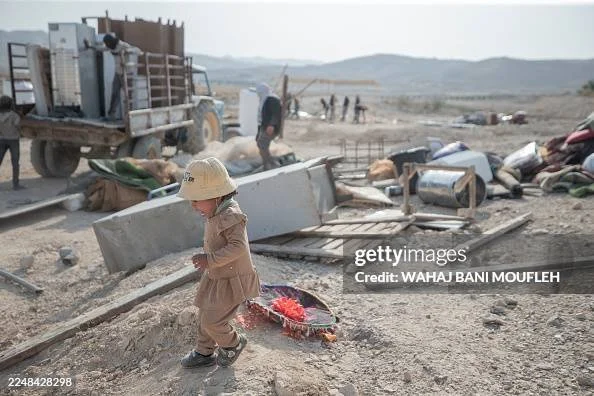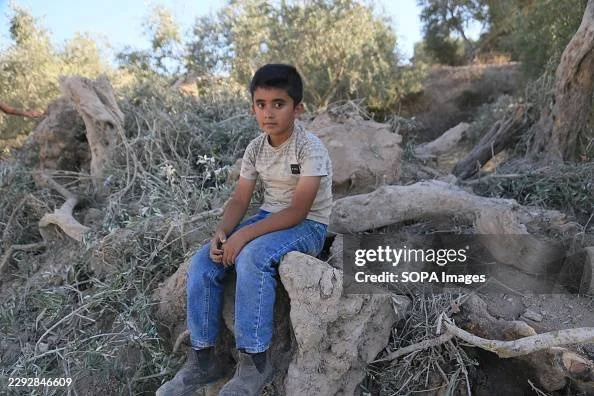
Please pray for food for Khalid as Ramadan ends

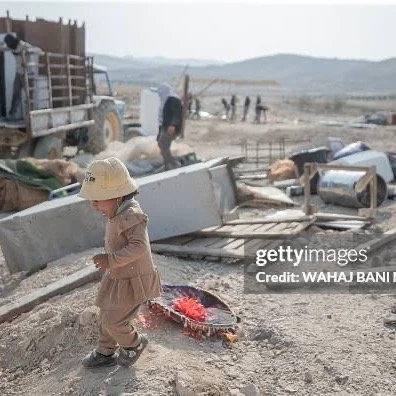
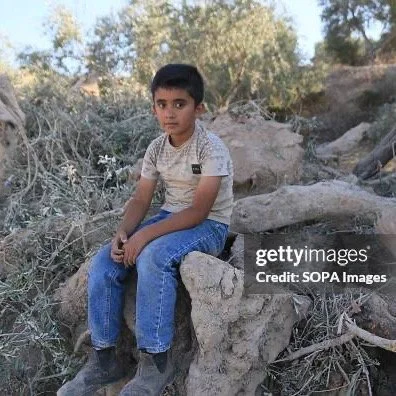
Please pray that 9-year-old Khalid and his family continue to obtain food and remain safe during the final days of Ramadan. Please thank God for World Central Kitchen and other humanitarian aid organizations for their compassion and dedication to giving the hope and dignity and nutrition that Ramadan meals provide to Khalid and his family and thousands of children of Gaza. Please pray that God’s love and peace rest on God’s children in Gaza as they continue to suffer hunger, malnutrition, violence and fear. Lift up our Muslim siblings as they celebrate Eid. Pray that our God of compassion bless the families and communities who gather to mark this holy occasion, and grant them protection, dignity, and moments of joy. Pray that God strengthen in all of us the courage to resist injustice, to defend the sacredness of life, and to build a future rooted in justice, peace, and shared humanity.

Context: Contributions of World Central Kitchen in Gaza during Ramadan

  • World Central Kitchen Operation: Since March 3, 2026, World Central Kitchen (WCK) has faced severe disruptions in receiving food and fuel (because of crossing closings), leading to a precarious "hand-to-mouth" operation. By March 5, the organization stated it was receiving "just enough trucks" to sustain current efforts but warned that operations could not continue without at least 25 trucks daily.

  • WCK Fuel and Resource Adaptation: To cope with fuel shortages, Gaza teams have pivoted to using wood pallets and olive husk pellets for cooking, and prioritizing recipes like stews that require less fuel than rice.

  • One million meals daily: Despite these hurdles, WCK continues to provide a massive volume of aid- one million hot meals daily across a network of Gaza field kitchens, community kitchens, bakeries, and partners. The team is currently focused on providing Iftar meals (fast-breaking meals) to displaced families.

  • 100,000 food kits: In addition, during Ramadan, WCK targeted delivery 100,000 food kits, assembled with halal, culturally appropriate pantry staples, proteins, grains, oils, and traditional ingredients families use every day, from rice, lentils, freekeh, and pasta to olive oil, chickpeas, tahini, tomato paste, tea, and coffee. Alongside these kits, iftar boxes include dates, dried fruits, nuts, milk, juice, and familiar Ramadan sweets to help families break their fast with dignity.

  • WCK Commitment: WCK says “Food is a human right. Ramadan brings hunger into focus and invites reflection and responsibility, grounding the month in feeding others and ensuring families can begin the fast with nourishment at suhoor (before dawn) and gather with dignity to break it at iftar (after sunset)… This is WCK’s third consecutive year serving Ramadan in Gaza... Our commitment is simple and unwavering: Food, without conditions. During Ramadan and always.”

  • End of Ramadan: Ramadan ends March 19/ 20, depending on when a crescent moon is sighted. Ramadan culminates with the feast of Eid al-Fitr (Festival of Breaking the Fast), one of the most important Islamic celebrations. The festival emphasizes social connection, generosity and strengthening of family and community ties. Traditionally it begins with a communal prayer and is followed by visits to relatives, giving gifts and sharing meals.

Additional reading:

https://wck.org/ramadan-2026/

https://www.facebook.com/WorldCentralKitchen

https://www.cfr.org/articles/the-iran-war-is-breaking-global-humanitarian-aid-efforts

https://www.pbs.org/newshour/world/gazas-ceasefire-had-momentum-now-some-fear-a-new-war-in-iran-will-distract-the-world#:~:text=Residents%20say%20they%20are%20scared,of%20over%202%20million%20people.&text=COGAT%2C%20the%20Israeli%20military%20body,and%20people%20live%20in%20misery.%22

https://www.newarab.com/analysis/will-gazas-ceasefire-survive-us-israeli-war-iran
Please pray this week for Khalid’s wellbeing during this time of regional turmoil

Embed from Getty Images

Please pray that, during the turmoil of USA and Israeli attacks on Iran, 9-year-old Khalid and his family are able to obtain food and remain safe. Please pray that, despite restriction of aid entering Gaza, sufficient quantities of humanitarian food aid continue to reach Gaza, allowing food kitchens to provide Ramadan meals and giving hope to Khalid and his family and all the children of Gaza. Please pray that God’s love and peace rest on God’s children in Gaza as they continue to suffer hunger, malnutrition, violence and fear. Pray that our God of Justice, who knows the full extent of the suffering our siblings go through in Gaza, intervene to stop this cycle of violence and hatred. Pray that God embolden us to be agents of God’s goodness and light by continuing to work for justice and accountability.

Context: Impact of Israel Iran Military Attacks on Gaza Situation

  • Border Closures: On 3 March, the Israeli authorities reopened the Kerem Shalom crossing into Gaza for fuel and aid cargo coming through Egypt and Israel. Aid transfers from the West Bank and Jordan remained suspended as of 5 March. The Zikim and Rafah crossings remain closed and humanitarian staff rotations, medical evacuations, and the return of residents from abroad have not resumed. Between 27 February and 5 March, 1,340 pallets of aid (mostly food) were collected at Gaza’s crossings. This compares to 7,200 pallets of aid collected at Gaza’s crossing between 20- 26 February.

  • Stockpile Depletion: There is no strategic food reserve in Gaza; the system relies on daily shipments. Major aid providers like World Central Kitchen have warned that current border disruptions force them to pause or significantly scale back operations.

  • Market Collapse: Basic staples like cooking oil, flour, and canned goods have vanished from many markets. Fear of prolonged shortages has led to panic buying and stockpiling where possible. Food prices have inflated by over 6,000% since late 2023. Recent reports indicate that basic items like sugar can cost over $32 per pound.

  • Agricultural and Local Production: Roughly 86% of Gaza's croplands have been destroyed or damaged, and only 4% of remaining land is currently accessible and cultivable. In February, partners distributed approximately 40 metric tons of potato tubers that entered Gaza via the private sector. Fifty-seven farmers in southern Gaza received this assistance. Survival rates for livestock have plummeted—only 11% of poultry and 20% of sheep remain compared to pre-conflict levels.

Additional reading:

https://wfpusa.org/news/rising-food-and-fuel-prices-risk-pushing-global-hunger-higher/

https://wck.org/news/gaza-questions/

https://www.aljazeera.com/features/2026/3/9/how-us-israel-war-on-iran-deepens-gaza-crisis

https://www.ochaopt.org/content/humanitarian-situation-report-6-march-2026

Please pray this week that Khalid continues to receive food

Embed from Getty Images

Please pray that, during this time of Ramadan rituals, 9-year-old Khalid and his family are able to access nutritious food aid to sustain life and growth. Please pray that, despite closure of crossings into Gaza, quantities of humanitarian food aid continue to reach Gaza, giving hope to Khalid and his family. Please pray that our God of peace and justice look with special love on his children continuing to suffer violence, destruction and fear. Pray that our righteous God empower us to cry out against the powers and principalities that maintain a status quo of injustice and suffering and embolden us to build a world where children can live in freedom, joy, and dignity.

Context: Impact of Israel Iran Military Strikes on Gaza Food Situation

  • World Food Program (WFP): After the October ceasefire, WFP managed to significantly expand its life-saving operations across the Gaza Strip, reaching more than 1 million people each month through food parcels, bread bundles, hot meals and school meals. To deliver at scale, WFP indicated it requires fast, efficient use of all entry points, secure and unhindered humanitarian access, rehabilitation of vital infrastructure and storage facilities, and fast clearance protocols.

  • Acute Food Insecurity: Approximately 1.6 million people (roughly 77% of the population) are facing high levels of acute food insecurity. Nearly the entire Gaza Strip remains classified in Integrated Food Security Phase Classification (IPC) Phase 4 (Emergency). Over 100,000 children and 37,000 pregnant or breastfeeding women are projected to suffer from acute malnutrition through April 2026. In addition, a severe shortage of cooking gas makes meal preparation challenging.

  • Recent Border Closures: Following military strikes involving Israel and Iran beginning Saturday February 28, Israel closed the three crossings into Gaza, halting the flow of aid. Aid organizations, including the World Food Program, reported their food stocks were completely depleted as of March 3. This is happening in the midst of Ramadan and Lenten fasting rituals which include an emphasis on special traditional foods.

  • Imminent Reopening: On March 3, 2026, the Israeli Coordinator of Government Activities in the Territories (COGAT) and the World Food Program announced that the Kerem Shalom crossing into southern Gaza was set to reopen for the gradual entry of humanitarian assistance. The two other crossings remain closed. On Feb 27 the UN Office for the Coordination of Humanitarian Affairs indicated that a reduction of humanitarian aid truck offloading rates would further raise food insecurity in Gaza.

Additional reading:

https://reliefweb.int/report/occupied-palestinian-territory/occupied-palestinian-territories-opt-crisis-situation-analysis-period-160226-220226

https://www.facebook.com/WorldFoodProgramme/videos/gaza-hot-meals-fixedmp4/939597105057741/

https://www.redcross.org.uk/stories/disasters-and-emergencies/world/whats-happening-in-gaza-humanitarian-crisis-grows

https://www.theguardian.com/world/2026/mar/02/iran-attacks-gaza-under-siege

https://www.ipcinfo.org/ipc-country-analysis/en/?country=PSE

https://www.pbs.org/newshour/world/gazas-ceasefire-had-momentum-now-some-fear-a-new-war-in-iran-will-distract-the-world 

https://thehill.com/policy/international/5762255-aid-shortages-gaza-crisis/

Please pray this week that Khalid’s Christian counterparts experience a special sense of God and of community during Lent

Embed from Getty Images

Please pray that 9-year-old Khalid’s Christian counterparts in Gaza and the West Bank, during this time of Lent, have a profound sense of God’s presence with them and God’s love for them. Please pray that God comfort them for all the losses they have experienced since Oct 2023- loss of family members, loss of home, loss of security, loss of peace. Please pray that their experience of family and their experience of community strengthen them. Please pray that they find moments of joy in the traditions that they are able to celebrate. Please pray for their hope for the future. Please pray that the ceasefire holds and a path to justice and peace is found.

Context: The experience of Lent in Gaza and the West Bank in this year in which Lent and Ramadan coincide

In Gaza

  • Christian Population: The Christian presence in Gaza – never large, but continuous for two millennia– has dwindled, and its complete disappearance is now imaginable. About 1000 Christians are located in Gaza City where three churches remain actively functioning: the Greek Orthodox St. Porphyrios Church (dating from 425 AD), the Roman Catholic Holy Family Church (developed from mission which began in 1860), and the Gaza Baptist Church (1954)- each subjected to recent damage or direct attacks by the Israeli Defense Forces. Christians refused to evacuate Gaza City as ordered by the Israeli forces.  They stayed sheltering in the three churches.

  • Christian Experience: Christians in Gaza have suffered the same horrific injury, loss of loved ones, lack of services, poverty and reliance on humanitarian aid that characterizes the Muslim population. The churches are operating under extreme conditions without proper access to fuel, electricity, food, or water. The Latin Patriarchate has reported that many individuals in their care are suffering from severe malnutrition.

  • Celebration of Lent: In 2026, Lent in Gaza is being observed by the small, remaining Christian population amidst extreme destruction, focusing on prayer, fasting, and spiritual survival. Orthodox Christians fast from all animal products during Lent and other Holy Days. This includes milk, eggs, butter, meat, poultry and some fish. Each Friday throughout the period of Lent, Believers participate in the praises of the Holy Virgin Mary. In Lent’s final week, Christians attend worship every day to hear the story of the Last Supper, the Path of the Passion and the Crucifixion. In past years, during the last week of fasting, Christians prepared themselves to celebrate Easter by cooking hand-made cookies, decorating their homes to host relatives and friends, and dying Easter eggs. Due to the ravages of war, these traditions are severely constrained. Christians and Muslims in Gaza are fasting in shared solidarity during this time. This "wilderness season" is defined by displacement and loss.

In the West Bank.

  • Christian Population: Approximately 50,000 Christians remain in the West Bank, primarily in the areas of Bethlehem, Nablus and Ramallah. The largest groups are Greek Orthodox and Catholic although many other denominations maintain a presence. High rates of emigration continue as young Palestinian Christians leave for better economic and security prospects abroad.

  • Christian Experience: As of early 2026, the situation of churches and the Christian community in the West Bank is characterized by intense, daily settler violence, economic collapse, and severe movement restrictions, creating a climate of fear and insecurity. Reports indicate a sharp increase in violence by Israeli settlers against Palestinian Christian individuals, clergy, and properties. The Israeli military seldom intervenes to address the violence. The Israeli military’s strict control over movement in the West Bank severely limits the ability of Christians to attend services, visit holy sites, and reach jobs.

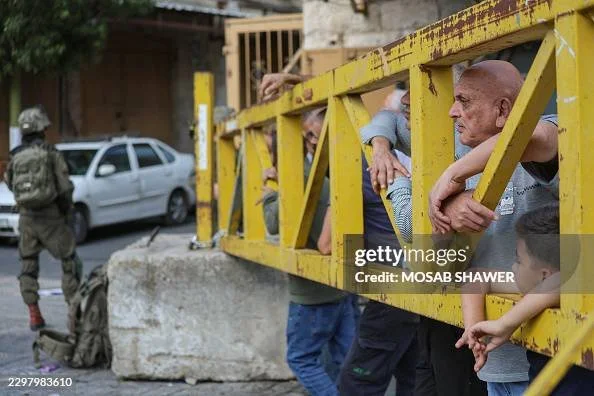
  • Celebration of Lent: In 2026, Christians in the West Bank will observe Lent through intense prayer, fasting, and daily mass, focusing on spiritual reflection amid significant hardship. Most Christians abstain from meat, while those in Orthodox traditions typically avoid all animal products (meat, eggs, and dairy) for the entire season.  Common meals include mujaddara (lentils and rice), falafel, and stuffed grape leaves. Due to the ongoing crisis, celebrations are deeply intertwined with themes of lament, solidarity, and seeking divine justice. Because Lent and Ramadan began on the same day in 2026, the period is characterized by shared interfaith reflection and community gatherings. While it is traditional to visit holy sites like the Church of the Nativity in Bethlehem or the Church of the Holy Sepulcher in Jerusalem, movement is severely limited by checkpoints and a strict permit system.

From Jerusalem: A Message for Our Time of Fasting

  •  “In these days, Christians begin their Lenten fast, which leads us to Holy Week and the glorious celebration of Easter. Our Muslim brothers and sisters also initiate their fast of the month of Ramadan. This means that we are all, Christians and Muslims, fasting together, each in our own way and according to our own beliefs. For us all, this period of fasting is a time of repentance and a return to the divine embrace. It is a spiritual journey that we experience in all its splendor and spirituality. We seize the opportunity of this simultaneous fasting to emphasize together the spiritual, human, and moral values that unite us as believers in our God, Creator of heaven and earth...”

From A Jerusalem Voice for Justice including His Beatitude Michel Sabbah, Latin Patriarch of Jerusalem (emeritus); His Eminence Attallah Hanna, Greek Orthodox Archbishop of Sebastia; and His Grace Munib Younan, Lutheran Bishop of Jordan and the Holy Land (emeritus)

Read more: https://devp.org/en/message-for-lent-and-ramadan-from-the-holy-land/

Additional reading:

https://www.premierchristianity.com/opinion/gazas-christians-are-facing-an-impossible-choice/20482.article

https://cnewa.org/gazas-churches-stand-firm/

https://www.palestinechronicle.com/kairos-and-lent-in-the-holy-land/

Please pray this week that Khalid experience a special sense of God and of community during Ramadan

Embed from Getty Images

Please pray this week that Khalid experience a special sense of God and of community during Ramadan

Please pray that 9-year-old Khalid and his family might, during this time of Ramadan, have a profound sense of God’s presence with them and God’s love for them. Please pray that God comfort them for all the losses they have experienced since Oct 2023- loss of family members, loss of home, loss of security, loss of peace. Please pray that their experience of family and of community strengthen them. Please pray that Khalid and his siblings and friends find moments of joy in the traditions that they are able to celebrate. Please pray for their hope for the future.


Context: The experience of Ramadan in Gaza this year

  • The meaning of Ramadan: Ramadan, the ninth month of the Islamic calendar, is observed by Muslims worldwide as a month of fasting, communal prayer, reflection, and community. Its purpose is to increase spiritual awareness, self-discipline, and devotion to God. It is the month in which the Quran is believed to have been revealed to the Islamic prophet Muhammad.  Some scholars argue that the observance of Ramadan fasting grew out of the Lenten discipline of the early Syrian Churches.

  • The celebration of Ramadan: Adults place special focus on prayer and on charity. They fast from dawn to sunset. After sunset there is a major meal (iftar). In the Middle East, iftar consists of water, juices, dates, salads and appetizers; one or more main dishes; and rich desserts, with dessert considered the most important aspect of the meal. The whole community breaks the fast together. Family and friends celebrate at each other’s homes.

  • Rituals Amid the Ruins in Gaza: In Ramadan 2026, over two million Gazans are observing their third consecutive Ramadan amidst severe devastation, displacement, and ongoing, although reduced, violence following the October 2025 ceasefire. Many residents, while attempting to maintain the spiritual traditions of the month, are navigating extreme poverty, loss, and the continued necessity of humanitarian aid to survive. The atmosphere is marked by profound sadness. For most, the month has shifted from a celebration of life to a time of mourning for lost loved ones, with many families facing "empty chairs" at their tables. They rely on handmade decorations from rubble and recycled materials to bring some joy to their children. They rely on food aid for their iftar.

Please pray this week that Khalid remains safe from Solid Waste contamination

Embed from Getty Images

Please pray this week that Khalid remains safe from Solid Waste contamination

Please pray that 9-year-old Khalid and his family have found shelter away from mountains of rat infected garbage and bacteria infected water. Pray that he and his siblings do not suffer from upper respiratory infections or diarrhea. Pray the Khalid and his family have been made aware of the dangers of scavenging in trash piles. Pray that they have a safe supply of water and access to sanitary facilities. Ask God in his goodness to soften the hearts of those restricting supplies into Gaza so that necessary supplies and equipment can enter and containment of waste may begin. Pray that the continuing bombing cease completely so that children can live in security.


Context: Solid Waste Accumulation in Gaza

  • Massive Accumulation: Rotting garbage, sewage-filled pools, hazardous waste from bomb sites and noxious smoke from burning cloth and plastic have birthed a fetid environment for Gazans in streets, agricultural lands, on the seashore, and inside displaced persons' camps. Residents in camps complain of foul odors and children who wake up coughing and suffering from severe headaches. "The scale of the waste problem in Gaza is huge," said Alessandro Mrakic, head of the Gaza office of the U.N. Development Agency (UNDP). "We're talking about 2 million tons of waste - untreated - all across Gaza." The risks to the environment, to the aquifer that much of Gaza's water comes from, and to the population's health are immense.


  • Solid Waste System Destroyed: The waste collection system is devastated. Since October 2023, an estimated $66 million in damages have been recorded to solid and medical waste management systems. This includes the destruction or damage of more than 200 waste collection trucks, 18 pieces of landfill equipment, five medical waste vehicles, two medical waste microwaves, 90 facilities and approximately 6,000 waste containers plus hundreds of thousands of meters of Gaza’s sewage drainage network. The two main landfills, located near the border, have remained inaccessible for over 24 months, forcing municipalities and partners to rely on temporary dumping sites. Primary collection is now largely carried out using donkey carts and tractors.


  • Children’s Public Health Crisis: Piled waste is breeding rodents, insects, and bacteria, causing spikes in skin diseases, diarrhea, hepatitis, respiratory issues, and infections. Children are facing particularly acute risks. WHO data shows that acute respiratory infections and acute watery diarrhea remain the most frequently reported illnesses in Gaza, accounting for 60 percent and 39 percent of reported morbidities respectively. In December alone, 88,300 cases were reported. Since 1 November 2025 the United Nations Relief and Works Agency (UNRWA) also recorded over 480 cases of acute jaundice syndrome (hepatitis A) connected to contaminated water. Suspected cases of leptospirosis, a potentially serious disease commonly spread through water contaminated with rodent urine, are also being followed.

  •  Main Challenges: Priority needs include tyres, batteries, spare parts, medical waste treatment equipment, pesticides and additional collection vehicles. Despite the ceasefire agreement, the entry of waste collection trucks, medical waste collection, and treatment machinery and tools is suspended, along with critical supplies such as fuel, spare parts for waste collection points and waste containers. Blocked roads and security risks prevent workers from reaching dump sites or navigating neighborhoods. Waste generation outpaces collection capacity. Since the ceasefire began in October 2025, Gaza Strip is generating an estimated 3,300–3,850 m³/day of solid waste. Approximately 10 WASH Cluster partners are currently collecting up to 2,500 m³/day (1,100 m³/day in the North and 1,400 m³/day in the South).


  • Recent Activity:

o   Since the beginning of the war in October 2023 up to the end of November 2025, approximately 900,000 tons of waste have been generated and dumped in temporary dumping sites. UNDP has enabled the collection of approximately 480,000 tons of solid waste across the Gaza Strip, benefiting around 1.4 million people. These operations are implemented in coordination with local partners and the WASH Cluster

o   UNDP led the development of a comprehensive communication plan to raise awareness on proper waste handling and the dangers of unmanaged waste. 8500 residents and internally displaced persons were reached through various community engagement activities.

o   50 waste collection vehicles were provided with maintenance, 45 waste containers were supplied and 250 waste workers received Personal Protection Equipment (PPE), and cleaning materials. The procurement of essential pesticides was initiated to address health risks from insect and rodent infestations around waste sites.

o   Between 1 and 15 January, UNRWA teams collected around 3,000 tons of solid waste inside the Agency’s shelters and surrounding areas. More than 110 cleaning campaigns were conducted inside its areas of responsibility, benefiting over 90,000 displaced persons. Activities included cleaning of collective shelters and manholes, and water desludging. UNRWA teams also conducted over 400 hygiene promotion sessions over the same period.

o   A new temporary dumping site has been agreed with municipal authorities, and it is expected to absorb accumulated waste from informal dumping locations in the north starting in early 2026.

Please pray this week that Khalid receives care for any disability

Pray that 9-year-old Khalid and his siblings receive care and assistive devices for any disabilities. Please pray that Khalid and his family remain safe from continuing bombing. Please pray for the children of Gaza who cannot obtain needed treatment in Gaza. Pray they are allowed to exit Gaza for care in other countries. Pray that all children with disability continue to have hope for the future. Please pray that our loving God grant them healing of mind and body, strength, joy, and peace. Pray that the ongoing bombing in Gaza ends so that killing, maiming and destruction end and recovery can begin.

Context: Disability in Gaza

  • Mass Disablement: The situation of disability in Gaza as of late 2025 and early 2026 is described by UN experts and international human rights groups as a "campaign of disablement" and a humanitarian catastrophe. The ongoing conflict has resulted in a massive surge in new, long-term, and life-altering impairments. Over 160,000 Palestinians have been injured between October 2023 and December 2025, with more than 25% expected to acquire permanent, life-long disabilities. Beyond limb loss, there are tens of thousands of injuries related to spinal cords, brain damage, and severe burns. Furthermore, at least 35,000 people- adults and children- have suffered significant hearing damage due to explosions.

  • Child Disability: A UN committee reported in September 2025 that at least 21,000 children have been disabled since the war began. Ammar Dwaik, director-general of the Palestinian Independent Commission for Human rights, said that an average of 15 children are newly disabled each day. According to some rights groups, Gaza has the largest number of child amputees in modern history.

  • Assistive devices: Over 83 per cent of people with disabilities in Gaza do not have the assistive devices they need, including wheelchairs, hearing aids and other tools. And for those that do, the batteries which enable these devices to work are in very short supply. Many medical related supplies and assistive devices are- without justification- labeled dual use by Israel and are not permitted to enter Gaza.

  • Healthcare System Collapse: Only 14 of Gaza's 36 hospitals were partially functional as of October 2025. Since 1962, UNRWA has operated a rehabilitation centre for the visually impaired in the Gaza Strip. It was the only one of its kind and served, at any given time, over 500 children. Today the center lies in rubble. Rehabilitation services are nearly non-existent, with only a few specialized personnel left in the entire strip to treat thousands of new amputees. Local disability organizations continue to provide life-saving support, but the needs outstrip their capacity.

  • Barriers to children (and adults) with disability: The destruction of infrastructure, including schools, hospitals, and homes, has removed accessible environment for children and adults with disabilities. People with disabilities are frequently unable to follow evacuation orders, leading to higher death rates. Some are forced to crawl through the rubble or be dragged on mattresses. They often cannot reach humanitarian aid distribution points, and in some cases, have been left behind by families who cannot carry them.

  • Recent activity: The UN Office for Coordination of Humanitarian Affairs (OCHA) reported from Jan 8-12, UN Health Cluster partners launched the Limb Reconstruction Screening Program at the Nasser Medical Complex in Khan Younis, with 40 cases screened during the first outpatient clinic day, of which 13 were identified as complex cases requiring major limb reconstruction. Such treatment typically spans six months to three years, involving 2–8 surgeries and 12–30 physiotherapy sessions, with costs reaching up to $40,000 per patient. However, essential surgical items, including advanced imaging, power drills, and carbon fiber fixators, remain unavailable in Gaza. Plans are ongoing to expand screenings to the Al-Aqsa Hospital in Deir al Balah, and Al-Shifa Hospital in Gaza city to cover patients in the two northern governorates. It is estimated that around 20,000 patients require major limb reconstruction interventions and long‑term rehabilitation.

Please pray this week that Khalid is safe from unexploded ordnance (UXO)

LET CHILDREN LIVE. PLEASE PRAY FOR KHALID

Please pray this week that Khalid is safe from unexploded ordnance (UXO)

Pray that 9-year-old Khalid and his family have not been injured by unexploded ordnance hidden in the rubble of destroyed Gazan buildings. Please pray that Khalid and his family have learned from experts about the dangers of UXO and are taking appropriate precautions. Please pray that children and adults injured by UXO are able to receive the medical care they need. Pray that personnel in organizations working to educate Gazans about UXO dangers have the energy, patience, supplies and materials they need to work effectively. Pray that the ongoing bombing in Gaza ends so that the huge task of clearance and reconstruction may begin.

Context: Unexploded Ordnance (UXO) in Gaza

  • Massive Contamination: An "absolutely immense" level of contamination exists across Gaza due to intensive combat and explosive devices deployed by both sides. Experts estimate that between 5% and 12% of munitions fired have failed to detonate, leaving an estimated 200,000 tons of UXO- bombs, missiles, rockets, and artillery projectiles - hidden among an estimated 61 million tons of rubble- the capacity of nearly 3,000 container ships .The munitions remain highly unstable and can explode if disturbed.

  • Daily Risk to Civilians: The presence of UXO makes daily life perilous. Nicholas Orr, Explosive Ordnance Disposal expert for Humanity and Inclusion in Gaza, says, “Every Gazan person is now living in a horrific, unmapped minefield. The UXO is everywhere- on the ground, in the rubble, under the ground, everywhere.” Orr indicates, “We are especially concerned about the risk to children.” They remain particularly exposed while searching for firewood and plastic in and around displacement sites.

  • Hindered Humanitarian Response and Reconstruction: The UXO danger prevents the safe delivery of aid, assessment of needs, and the return of displaced residents. It is a major obstacle to rebuilding essential services like hospitals, schools, and public infrastructure. Humanitarian mine action is an essential prerequisite for all recovery and reconstruction efforts, including debris management and rubble removal.

  • Current Actions: No humanitarian clearance is currently taking place in Gaza. For humanitarian mine action organizations, conditions remain too unsafe for operations. Instead, organizations are primarily focused on conducting explosive hazard assessments on aid routes and delivering critical, life-saving risk education sessions to the population.

    • From January 8-11, two Explosive Hazard Assessments were conducted in Gaza City.  During the same period, mine action partners conducted 62 Explosive Ordnance Risk Education and Conflict Preparedness and Protection sessions, reaching 1,394 people and four targeted sessions for 89 humanitarian workers.

    • From January 12-14, mine action partners conducted 63 Explosive Hazard Assessments in An Nuseirat, northern Deir al Balah, in support of debris removal activities.

  • Complex Clearance Challenges: Much of the ordnance is buried deep within infrastructure and rubble, making detection and disposal extremely difficult. The high population density and urban environment further complicate clearance operations, which require specialized equipment and a stable security environment that is currently lacking. In addition, there are restrictions on bringing in key equipment to support operations in Gaza and capacity limitations due to challenges that INGOs face in operating in Gaza (security concerns; new registration processes)

  • Long-Term Problem: Mine action experts from organizations like the UN Mine Action Service (UNMAS) warn that it could take decades—perhaps more than 30 years—to clear the surface of Gaza and ensure it is safe.

  • Key needs: Advocacy for humanitarian mine action to be allowed to deliver responsibly and unhindered throughout the Occupied Palestinian Territories.  Predictable and flexible funding for humanitarian mine action to Gaza in 2026 and beyond.