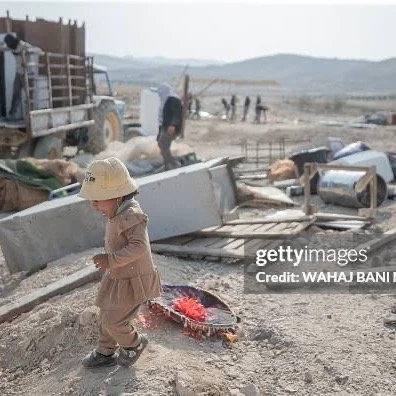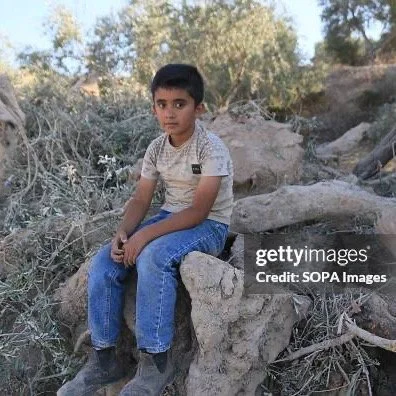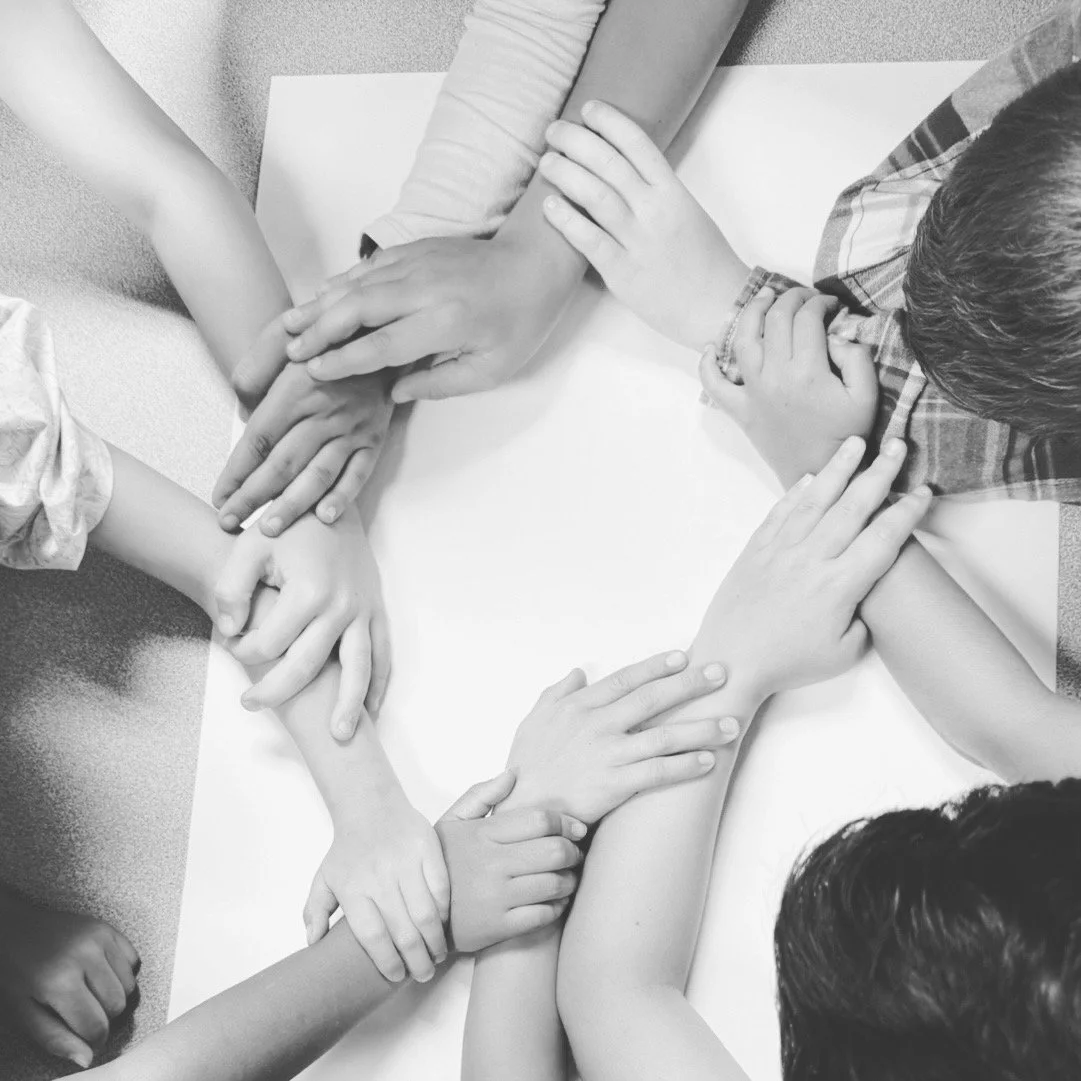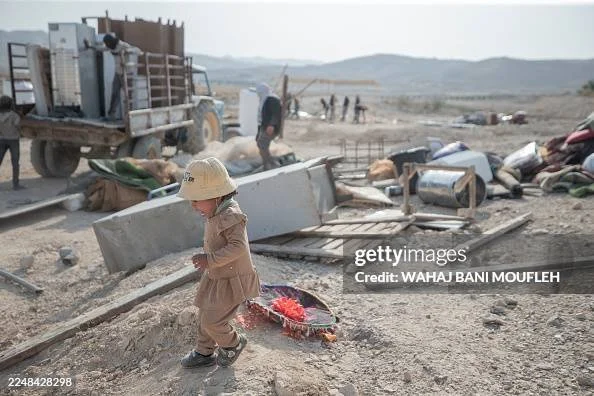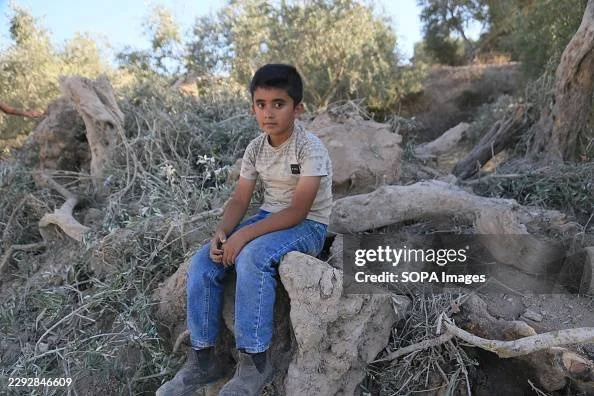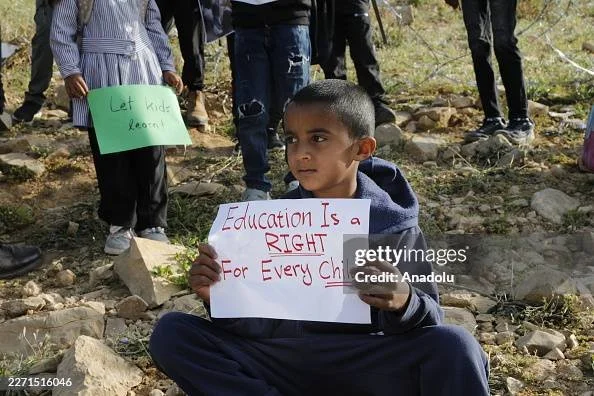
Sabeel, a Christian theology center in East Jerusalem sends out weekly prayers for Palestine. Let us join them this week in praying for 9 year old Khalid and all the children of Gaza:
Lord God, we pray for the young and old affected by the brutality of colonial systems. While we cannot fathom the extent of the suffering in Gaza, we pray for your justice and healing that surpasses all human understanding, that the children and people of Gaza may be liberated from all hidden and unhidden wounds. Lord in your mercy…hear our prayer.
Prince of Peace, we recall how you were betrayed and mocked, and we remember your cry on the cross, “My God, my God, why have you forsaken me?” (Matthew 27:46) This Holy Week, help us to identify with your suffering by standing with those suffering under systems of oppression and violence today. While we feel we are forever in Holy Saturday, help us hold onto the hope of your resurrection that we may not give into despair. Lord in your mercy…hear our prayer.
Context: the continuing traumatization of Gazan children
Despite war fronts in Iran and Lebanon, Israeli air strikes, shelling and gunfire continued in Gaza throughout Ramadan. According to the UN Office for the Coordination of Humanitarian Affairs (OCHA), an airstrike in Deir al Balah on 15 March, killed a man, his pregnant wife, and two boys. Later, an unmanned aerial vehicle struck a car, killing eight Palestinian police personnel. Between 6-17 March, 35 Palestinians were killed and 95 people were injured.
Key Aspects of the Psycho-social Situation:
Widespread Mental Health Issues: The 1 million children in Gaza all suffer from severe, chronic trauma. They face unprecedented levels of toxic stress, characterized by constant fear, extreme hunger, and the widespread loss of family. Per the United Nations, 96% of children in Gaza feel that death is imminent, and 61% of adolescents and youth suffer from post-traumatic stress disorder (PTSD). Some children have stopped speaking, become highly aggressive, or display extreme withdrawal.
Displacement and Insecurity: Over 90% of the population is displaced, with many forced to flee multiple times, removing all sense of safety and routine. Children are often living in tents, overcrowded shelters, or ruined buildings with little protection from the elements.
Unaccompanied Children: An estimated 19,000 children are unaccompanied/ separated from their parents, making them extremely vulnerable.
Loss of Education and Future: With school systems largely broken, children have lost all semblance of normalcy, social development, and educational opportunities.
Challenges: According to the UN, organizations like UNICEF and UNRWA are attempting to provide psychosocial support, makeshift education centers, and activities, but these efforts are crippled by the ongoing conflict, limited aid, and lack of safety. Partners report increasing violence against children, driven by overcrowded shelters, heightened caregiver stress, and the breakdown of family and community support structures. Many areas still lack adequate child‑friendly spaces due to congestion in shelters and displacement sites, and partners emphasize the need to integrate safe spaces when new sites are established. Ongoing fuel shortages and limited cash liquidity for transportation also continue to restrict staff mobility. At the same time, there remains a significant shortage of psychologists, counsellors and trained psychosocial workers.
Efforts: According to OCHA, between 8 and 15 March, UN child protection partners reached over 2,700 children with mental health and psychosocial support and recreational activities. Case management services were scaled up to respond to increasing protection concerns, with 150 children newly registered and supported through tailored interventions, including follow-up and referrals for specialized services to ensure continuity of care.
Additional reading and listening:
https://www.latimes.com/opinion/story/2026-02-15/gaza-remains-crisis-of-childrens-mental-health
https://news.un.org/en/story/2026/03/1167166
https://www.rescue.org/article/healing-gazas-children-psychosocial-support
https://www.ochaopt.org/content/humanitarian-situation-report-19-march-2026