LET CHILDREN LIVE. PLEASE PRAY FOR KHALID
Please pray this week that Khalid is safe from unexploded ordnance (UXO)
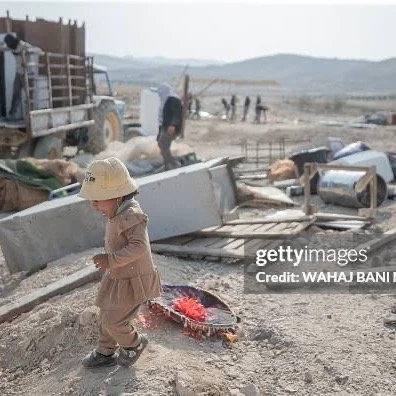
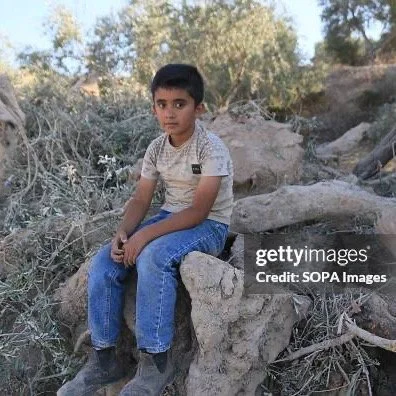
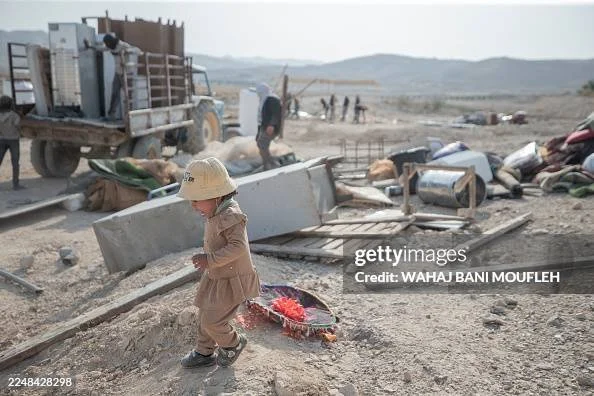
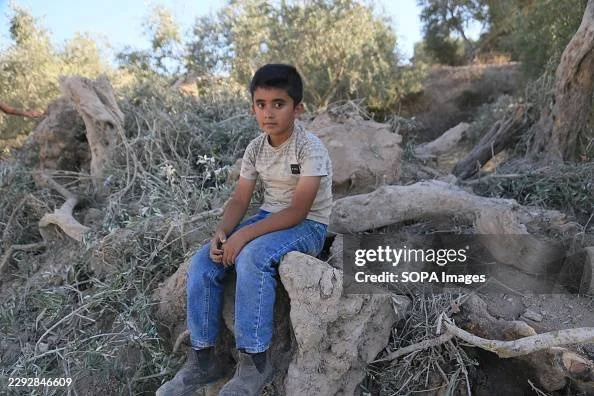
Pray that 9-year-old Khalid and his family have not been injured by unexploded ordnance hidden in the rubble of destroyed Gazan buildings. Please pray that Khalid and his family have learned from experts about the dangers of UXO and are taking appropriate precautions. Please pray that children and adults injured by UXO are able to receive the medical care they need. Pray that personnel in organizations working to educate Gazans about UXO dangers have the energy, patience, supplies and materials they need to work effectively. Pray that the ongoing bombing in Gaza ends so that the huge task of clearance and reconstruction may begin.
Context: Unexploded Ordnance (UXO) in Gaza
Massive Contamination: An "absolutely immense" level of contamination exists across Gaza due to intensive combat and explosive devices deployed by both sides. Experts estimate that between 5% and 12% of munitions fired have failed to detonate, leaving an estimated 200,000 tons of UXO- bombs, missiles, rockets, and artillery projectiles - hidden among an estimated 61 million tons of rubble- the capacity of nearly 3,000 container ships .The munitions remain highly unstable and can explode if disturbed.
Daily Risk to Civilians: The presence of UXO makes daily life perilous. Nicholas Orr, Explosive Ordnance Disposal expert for Humanity and Inclusion in Gaza, says, “Every Gazan person is now living in a horrific, unmapped minefield. The UXO is everywhere- on the ground, in the rubble, under the ground, everywhere.” Orr indicates, “We are especially concerned about the risk to children.” They remain particularly exposed while searching for firewood and plastic in and around displacement sites.
Hindered Humanitarian Response and Reconstruction: The UXO danger prevents the safe delivery of aid, assessment of needs, and the return of displaced residents. It is a major obstacle to rebuilding essential services like hospitals, schools, and public infrastructure. Humanitarian mine action is an essential prerequisite for all recovery and reconstruction efforts, including debris management and rubble removal.
Current Actions: No humanitarian clearance is currently taking place in Gaza. For humanitarian mine action organizations, conditions remain too unsafe for operations. Instead, organizations are primarily focused on conducting explosive hazard assessments on aid routes and delivering critical, life-saving risk education sessions to the population.
From January 8-11, two Explosive Hazard Assessments were conducted in Gaza City. During the same period, mine action partners conducted 62 Explosive Ordnance Risk Education and Conflict Preparedness and Protection sessions, reaching 1,394 people and four targeted sessions for 89 humanitarian workers.
From January 12-14, mine action partners conducted 63 Explosive Hazard Assessments in An Nuseirat, northern Deir al Balah, in support of debris removal activities.
Complex Clearance Challenges: Much of the ordnance is buried deep within infrastructure and rubble, making detection and disposal extremely difficult. The high population density and urban environment further complicate clearance operations, which require specialized equipment and a stable security environment that is currently lacking. In addition, there are restrictions on bringing in key equipment to support operations in Gaza and capacity limitations due to challenges that INGOs face in operating in Gaza (security concerns; new registration processes)
Long-Term Problem: Mine action experts from organizations like the UN Mine Action Service (UNMAS) warn that it could take decades—perhaps more than 30 years—to clear the surface of Gaza and ensure it is safe.
Key needs: Advocacy for humanitarian mine action to be allowed to deliver responsibly and unhindered throughout the Occupied Palestinian Territories. Predictable and flexible funding for humanitarian mine action to Gaza in 2026 and beyond.