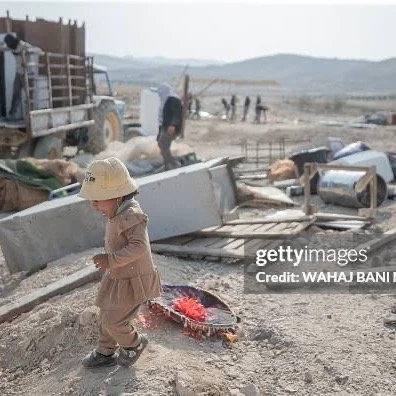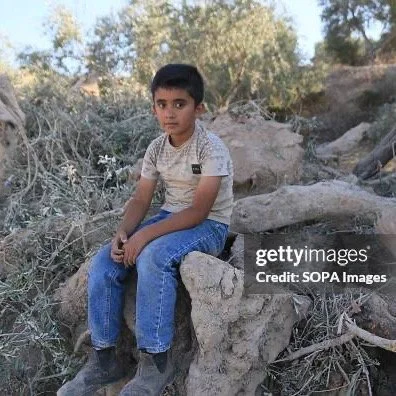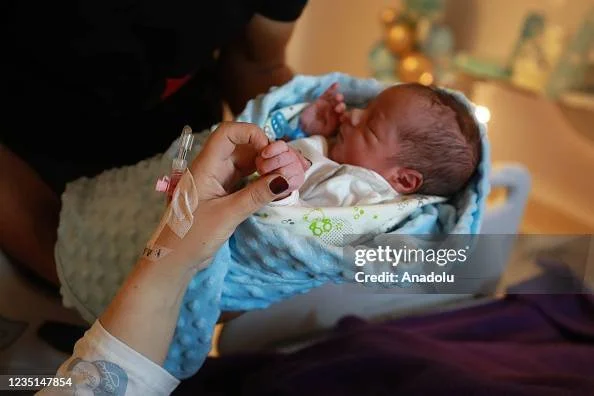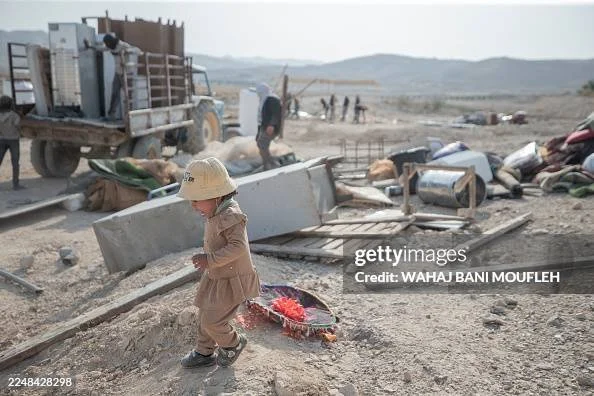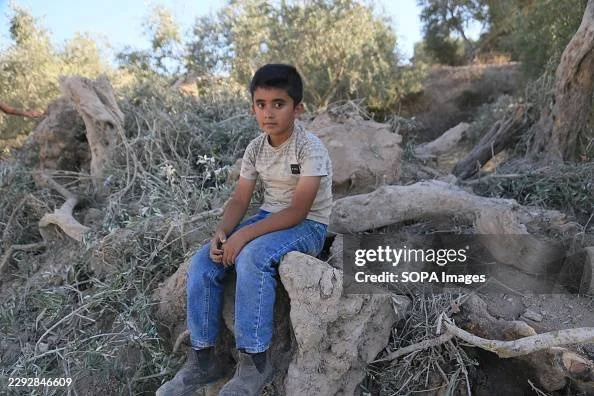
Please pray that 9-year-old Khalid and his siblings and parents are able to receive the medical care they need for injury and illness. Please pray that God provide the fuel, medicine, consumables and equipment needed by caregivers to treat illness and injury. Please pray for strength, rest and hope for the doctors and nurses who struggle in horrifyingly stressful situations to treat and heal children and adults. Pray that God heal the wounded, comfort the grieving, and bring an end to the destruction.
May the holy ground of Gaza know healing.
May its children know safety.
May its communities know restoration.
May its people know justice
God, in your infinite mercy, hear our prayer.
(from Community Renewal Society)
Context of healthcare in Gaza today
As of April 2026, the health situation in the Gaza Strip continues to be catastrophic, with the healthcare system in a state of near-total collapse despite the October 2025 ceasefire. Humanitarian organizations report that severe shortages of medicine, fuel, and clean water are causing treatable conditions to become life-threatening, while ongoing hostilities and aid blockades continue to claim lives daily.
Operational Facilities: Only 14 out of 36 hospitals remain even partially functional due to fuel shortages and damage. According to the World Health Organization, 52% of essential medicines and 71% of medical consumables are at "zero stock." 350,000 patients with chronic diseases (cancer, diabetes) cannot access treatment due to limited humanitarian aid entry. Major facilities like Shifa Hospital are operating at up to 250% capacity, with patients being treated in corridors due to an extreme shortage of beds. 18,500 patients are registered for medical evacuation.
Disease Outbreaks: Over one million respiratory infections have been recorded. A lack of clean water and broken sewage systems have led to surges in diarrhea, hepatitis A, and skin diseases.
Malnutrition and Famine Risks: Acute food insecurity affects roughly 77% of the population. Malnutrition rates among children under five in northern Gaza have reached 30%.
Maternal and Reproductive Health: Approximately 160 pregnant women give birth daily under hazardous conditions without access to emergency obstetric care.
Weekly Services: So far in 2026, UN health partners report an average weekly reach of 254,800 people, with general clinical services accounting for the largest share (167,000 weekly), followed by sexual and reproductive health, non-communicable diseases, child health, and mental health and psychosocial support.
Additional Reading:
https://reliefweb.int/report/occupied-palestinian-territory/gaza-medical-facility-inaugurated
https://www.who.int/emergencies/situations/conflict-in-Israel-and-oPt