Please pray this week that Khalid remains safe from Solid Waste contamination
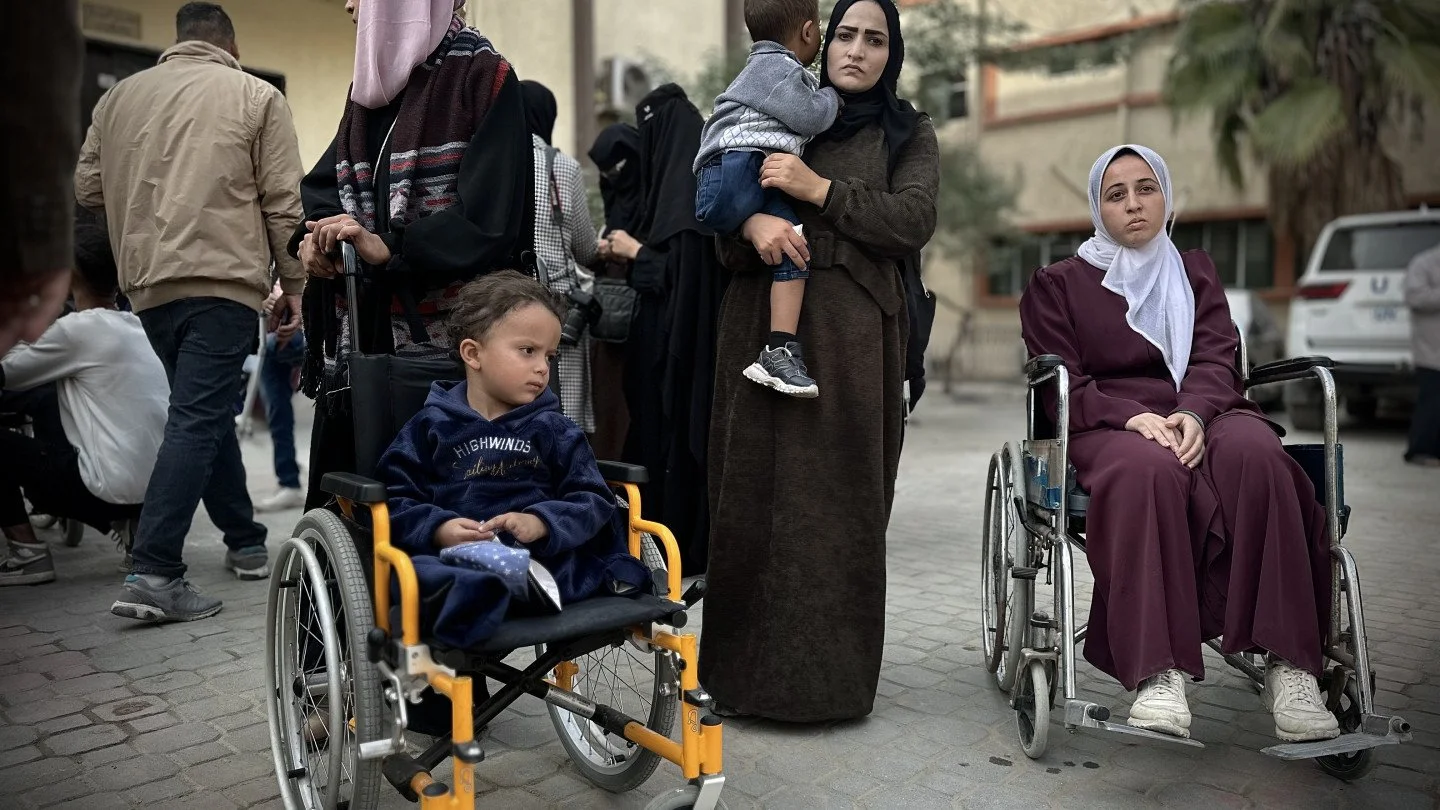
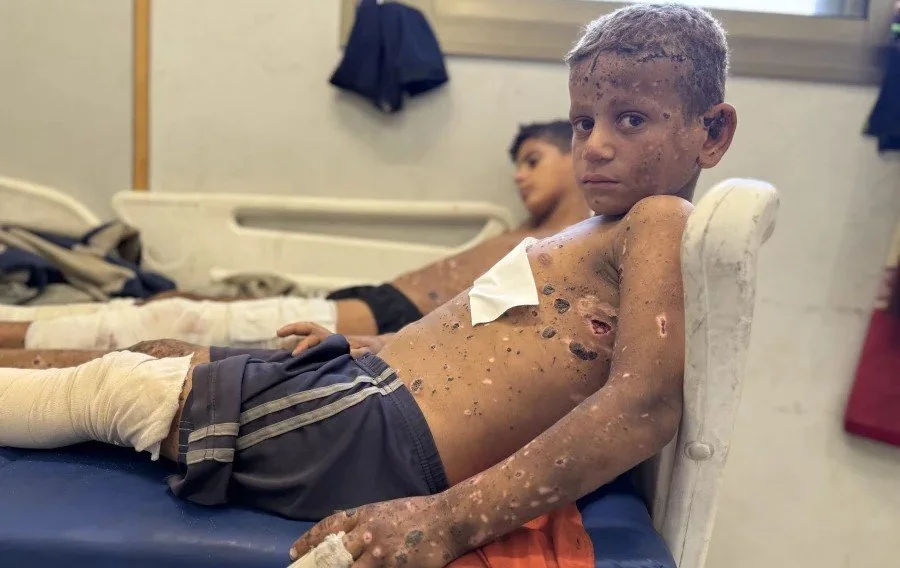
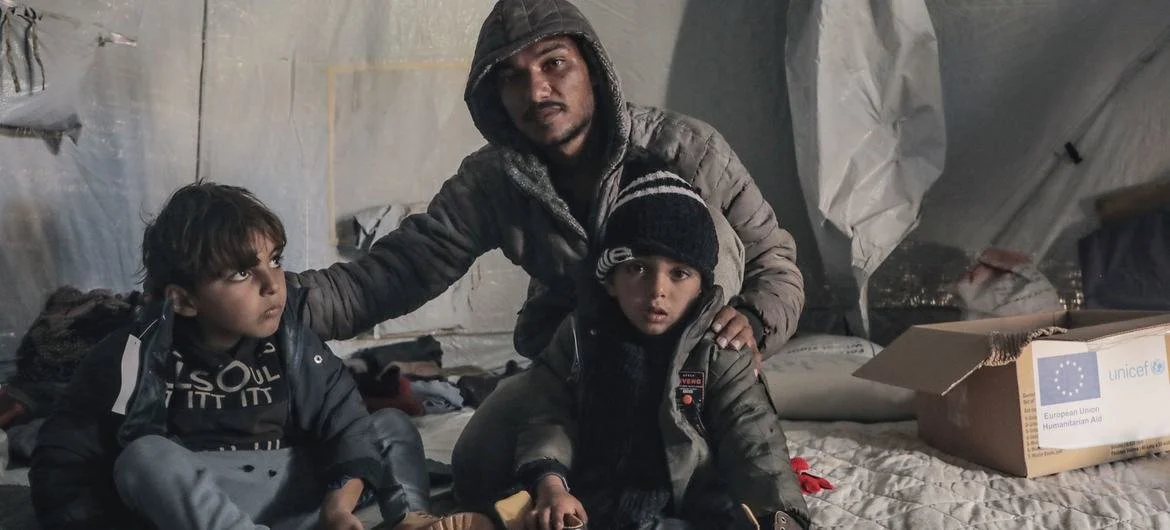
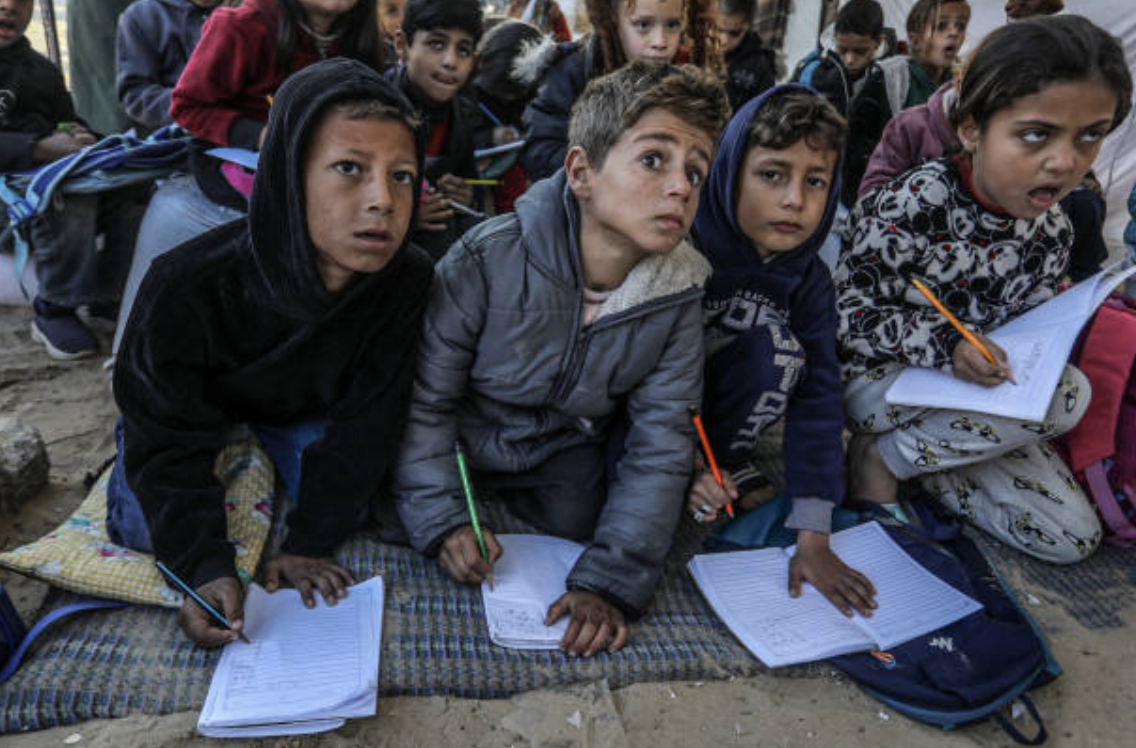
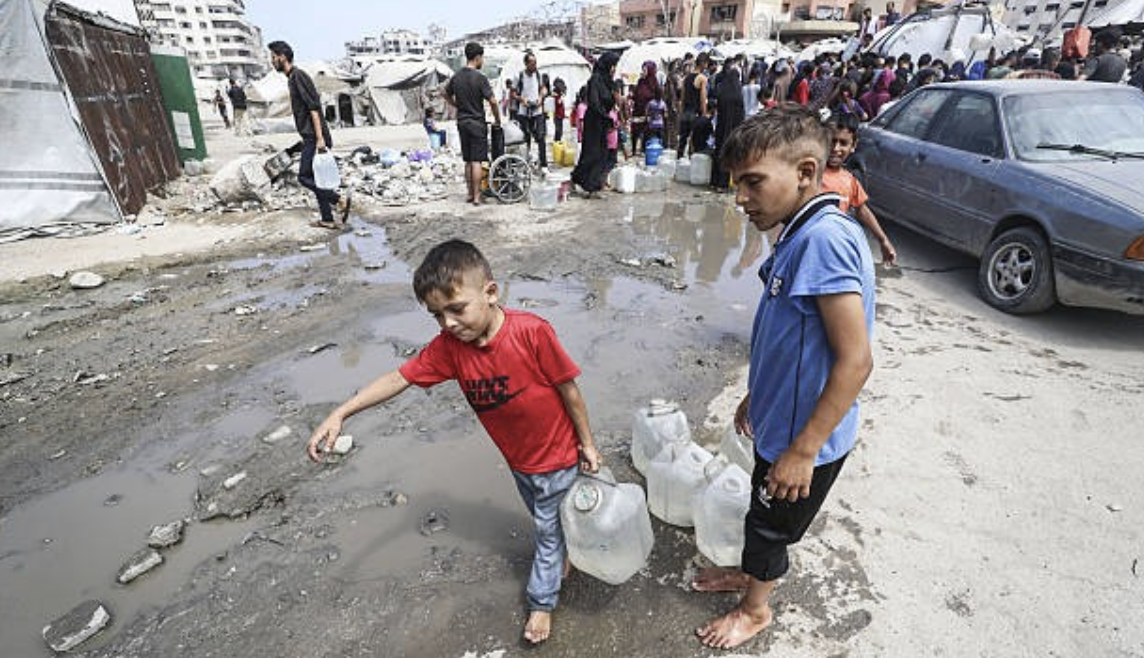
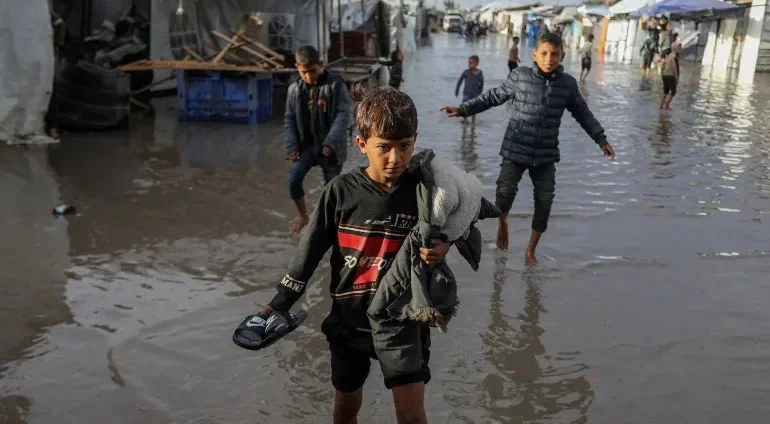
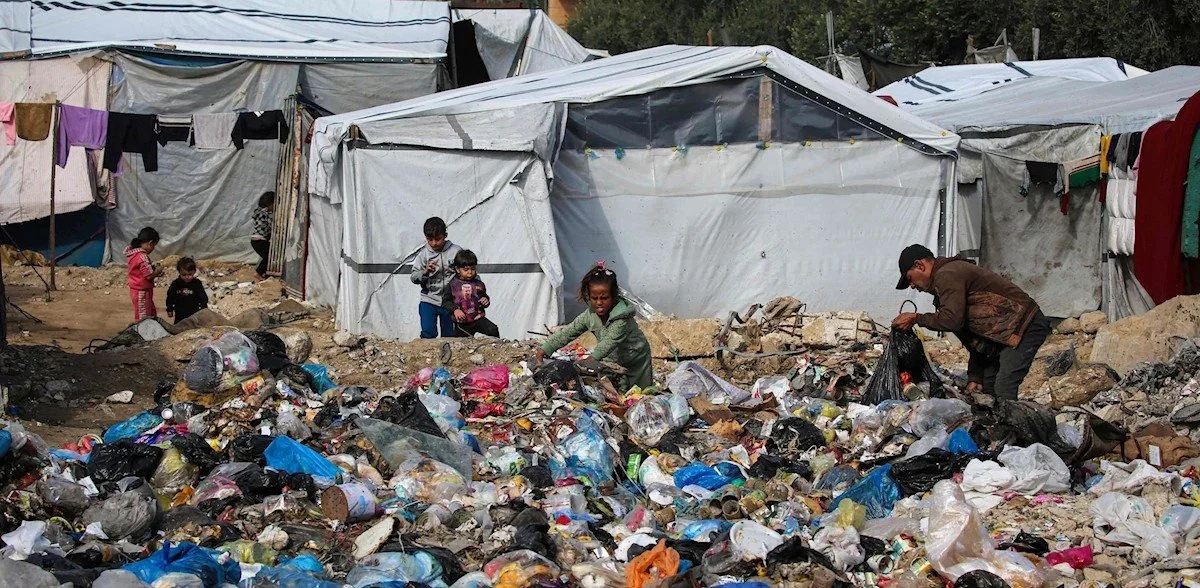
Please pray that 9-year-old Khalid and his family have found shelter away from mountains of rat infected garbage and bacteria infected water. Pray that he and his siblings do not suffer from upper respiratory infections or diarrhea. Pray the Khalid and his family have been made aware of the dangers of scavenging in trash piles. Pray that they have a safe supply of water and access to sanitary facilities. Ask God in his goodness to soften the hearts of those restricting supplies into Gaza so that necessary supplies and equipment can enter and containment of waste may begin. Pray that the continuing bombing cease completely so that children can live in security.
Context: Solid Waste Accumulation in Gaza
Massive Accumulation: Rotting garbage, sewage-filled pools, hazardous waste from bomb sites and noxious smoke from burning cloth and plastic have birthed a fetid environment for Gazans in streets, agricultural lands, on the seashore, and inside displaced persons' camps. Residents in camps complain of foul odors and children who wake up coughing and suffering from severe headaches. "The scale of the waste problem in Gaza is huge," said Alessandro Mrakic, head of the Gaza office of the U.N. Development Agency (UNDP). "We're talking about 2 million tons of waste - untreated - all across Gaza." The risks to the environment, to the aquifer that much of Gaza's water comes from, and to the population's health are immense.
Solid Waste System Destroyed: The waste collection system is devastated. Since October 2023, an estimated $66 million in damages have been recorded to solid and medical waste management systems. This includes the destruction or damage of more than 200 waste collection trucks, 18 pieces of landfill equipment, five medical waste vehicles, two medical waste microwaves, 90 facilities and approximately 6,000 waste containers plus hundreds of thousands of meters of Gaza’s sewage drainage network. The two main landfills, located near the border, have remained inaccessible for over 24 months, forcing municipalities and partners to rely on temporary dumping sites. Primary collection is now largely carried out using donkey carts and tractors.
Children’s Public Health Crisis: Piled waste is breeding rodents, insects, and bacteria, causing spikes in skin diseases, diarrhea, hepatitis, respiratory issues, and infections. Children are facing particularly acute risks. WHO data shows that acute respiratory infections and acute watery diarrhea remain the most frequently reported illnesses in Gaza, accounting for 60 percent and 39 percent of reported morbidities respectively. In December alone, 88,300 cases were reported. Since 1 November 2025 the United Nations Relief and Works Agency (UNRWA) also recorded over 480 cases of acute jaundice syndrome (hepatitis A) connected to contaminated water. Suspected cases of leptospirosis, a potentially serious disease commonly spread through water contaminated with rodent urine, are also being followed.
Main Challenges: Priority needs include tyres, batteries, spare parts, medical waste treatment equipment, pesticides and additional collection vehicles. Despite the ceasefire agreement, the entry of waste collection trucks, medical waste collection, and treatment machinery and tools is suspended, along with critical supplies such as fuel, spare parts for waste collection points and waste containers. Blocked roads and security risks prevent workers from reaching dump sites or navigating neighborhoods. Waste generation outpaces collection capacity. Since the ceasefire began in October 2025, Gaza Strip is generating an estimated 3,300–3,850 m³/day of solid waste. Approximately 10 WASH Cluster partners are currently collecting up to 2,500 m³/day (1,100 m³/day in the North and 1,400 m³/day in the South).
Recent Activity:
o Since the beginning of the war in October 2023 up to the end of November 2025, approximately 900,000 tons of waste have been generated and dumped in temporary dumping sites. UNDP has enabled the collection of approximately 480,000 tons of solid waste across the Gaza Strip, benefiting around 1.4 million people. These operations are implemented in coordination with local partners and the WASH Cluster
o UNDP led the development of a comprehensive communication plan to raise awareness on proper waste handling and the dangers of unmanaged waste. 8500 residents and internally displaced persons were reached through various community engagement activities.
o 50 waste collection vehicles were provided with maintenance, 45 waste containers were supplied and 250 waste workers received Personal Protection Equipment (PPE), and cleaning materials. The procurement of essential pesticides was initiated to address health risks from insect and rodent infestations around waste sites.
o Between 1 and 15 January, UNRWA teams collected around 3,000 tons of solid waste inside the Agency’s shelters and surrounding areas. More than 110 cleaning campaigns were conducted inside its areas of responsibility, benefiting over 90,000 displaced persons. Activities included cleaning of collective shelters and manholes, and water desludging. UNRWA teams also conducted over 400 hygiene promotion sessions over the same period.
o A new temporary dumping site has been agreed with municipal authorities, and it is expected to absorb accumulated waste from informal dumping locations in the north starting in early 2026.