Please pray this week that Khalid is protected from the impact of winter storms
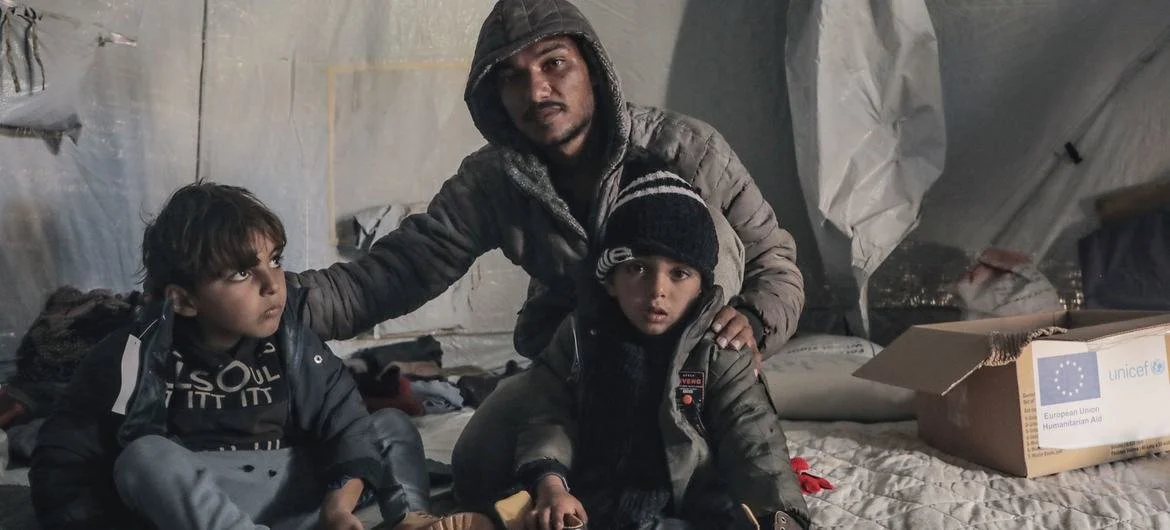
Pray that 9-year-old Khalid and his family are sheltered in a structure safe from water and wind damage and safe from collapse. Please pray that Khalid has warm clothes and a warm dry bed. Please pray that Khalid and his family are safe from the misery of contaminated water, sewage, water born disease, and upper respiratory infections. Please praise God for all aid organization personnel working persistently to address the crises caused by winter rains and flooding. Please pray for their strength, their health, and their hope. Please pray that the aid supplies needed are allowed entry into Gaza.
Context: Winter in Gaza
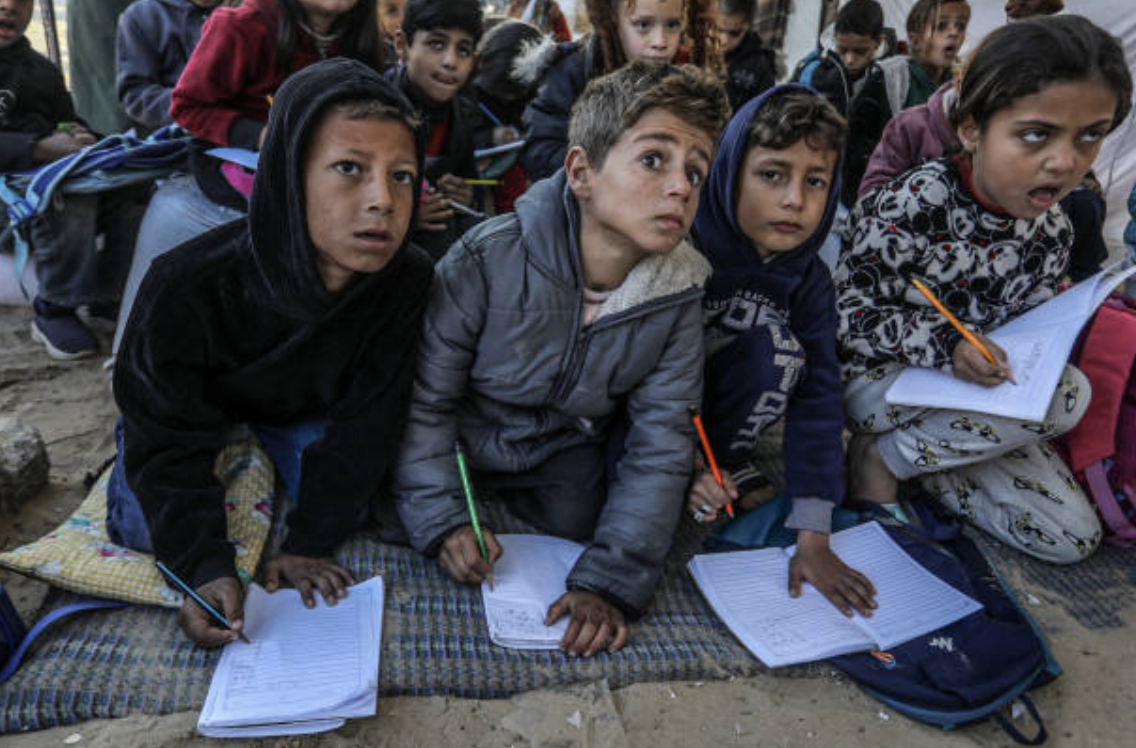
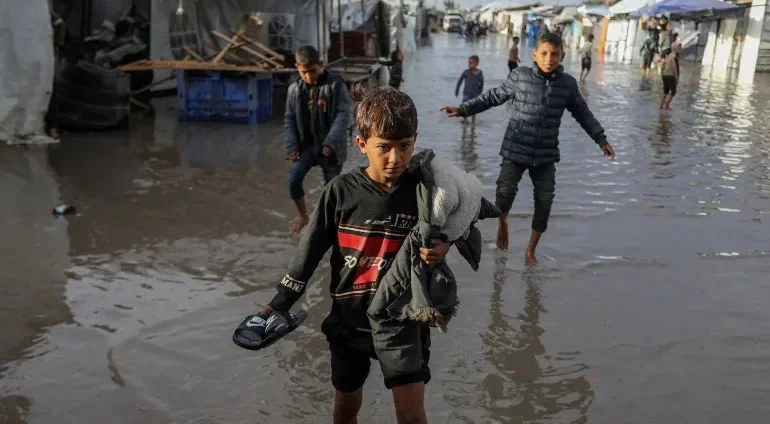
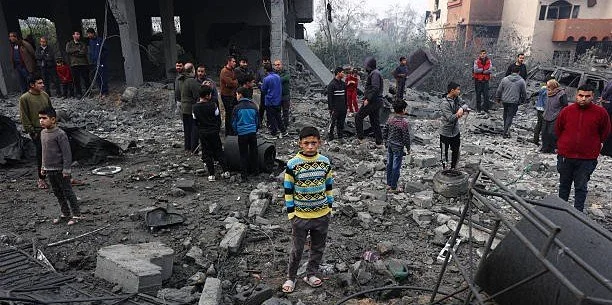
The rainy season in Gaza typically lasts from November to March, with the most rain falling in January. Winter rains have battered Gaza since mid-November 2025. Hundreds of thousands of Palestinians in Gaza have struggled in makeshift tents damaged by rain, wind and seawater waves. Homes collapsed under storm conditions, and personal belongings were soaked. In several locations, entire displacement sites were flooded due to inadequate drainage and low-lying terrain.
Flooding: The heavy rainfall led to widespread flooding, especially in the sprawling tent camps housing displaced Palestinians. Residents struggled to dig trenches and protect their belongings as water cascaded through their makeshift shelters.
Shelter Damage: The downpours damaged or destroyed a significant number of tents, many of which were flimsy and made from salvaged materials like tarpaulins and blankets, offering minimal protection against the weather. By late December 2025, reports indicated that more than 110,000 out of 135,000 tents had been destroyed or rendered unusable.
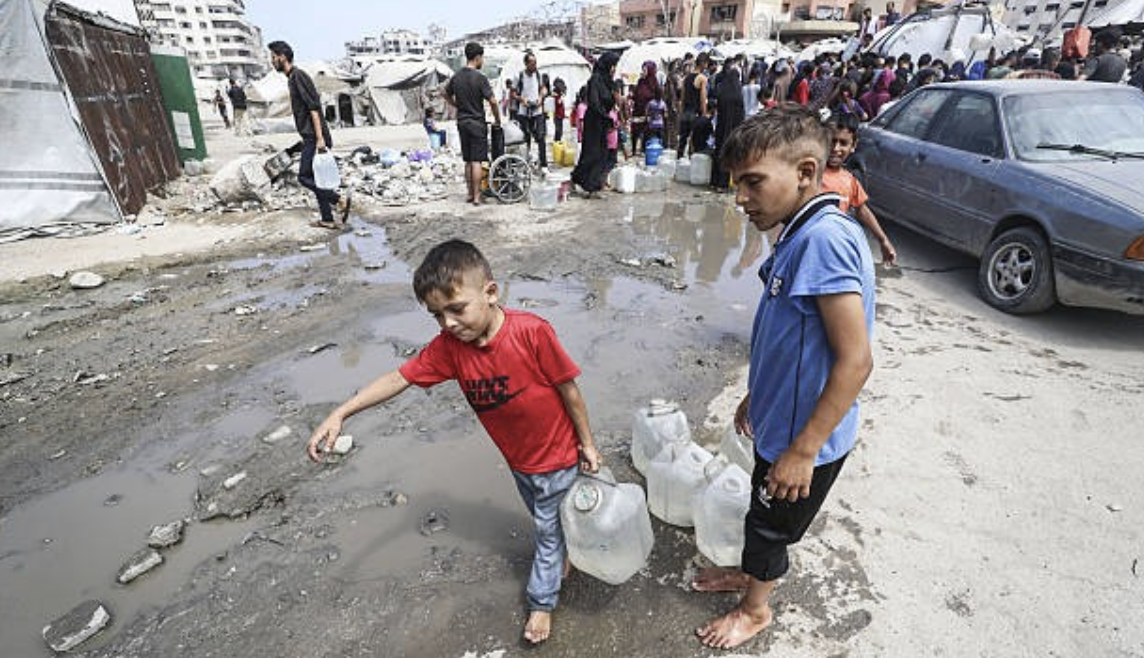
Health and Sanitation Crisis: The collapse of water and sanitation systems meant that raw sewage overflowed into the streets and flooded areas, contaminating water sources and increasing the risk of waterborne diseases. The lack of functional drainage systems worsened the flash flooding. Humanitarian organizations addressing water and sanitation have indicated that flood mitigation requires the urgent entry of specialized equipment, such as pumps, pipes and other electromechanical components, which continue to be denied entry. A consistent supply of fuel is also required.
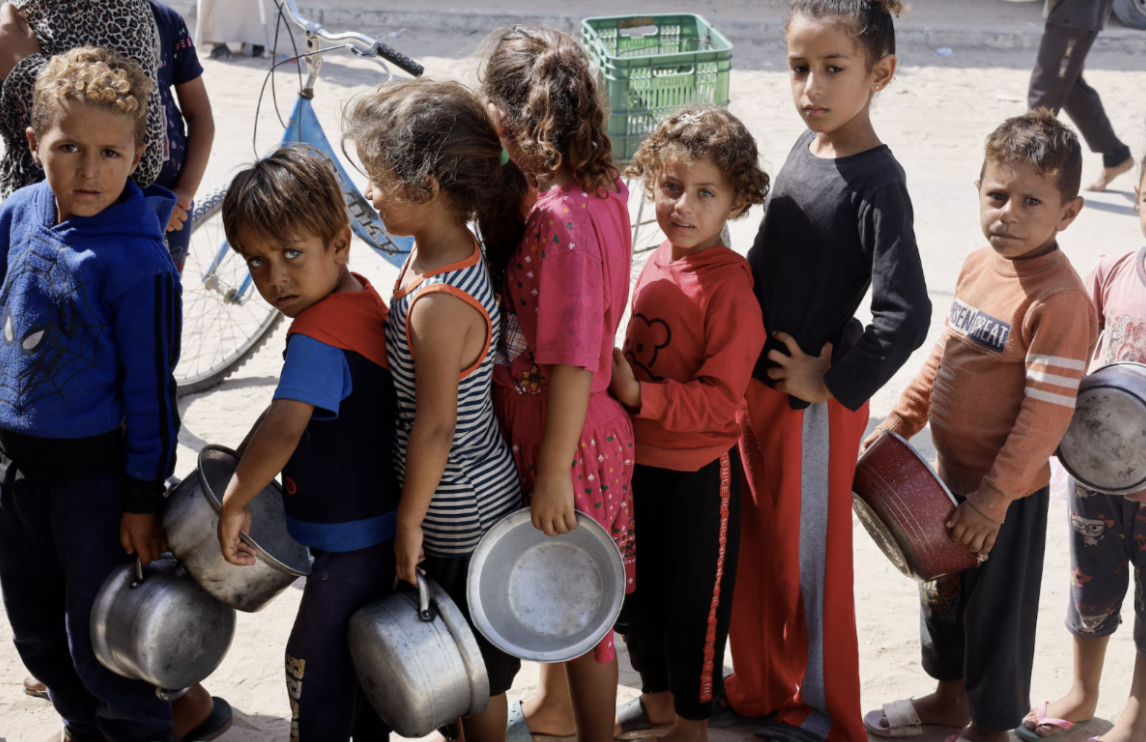
Humanitarian Woes: Aid organizations and the UN warned that the winter conditions, combined with severe restrictions on aid, marked a dangerous escalation of suffering. The cold temperatures, strong winds, and wet conditions led to increased health risks and immense misery for the displaced population.
On 28 December, the Palestine Civil Defense reported that its teams recovered the bodies of a 30-year-old woman who died due a wall collapse and a seven-year-old child who drowned in a well during the storm. According to the Ministry of Health (MoH) in Gaza, so far in December, 17 people died due to the collapse of damaged buildings and three children died of hypothermia. Médecins Sans Frontières (MSF) teams report consistently high rates of respiratory infections, warning that these will increase throughout the winter.
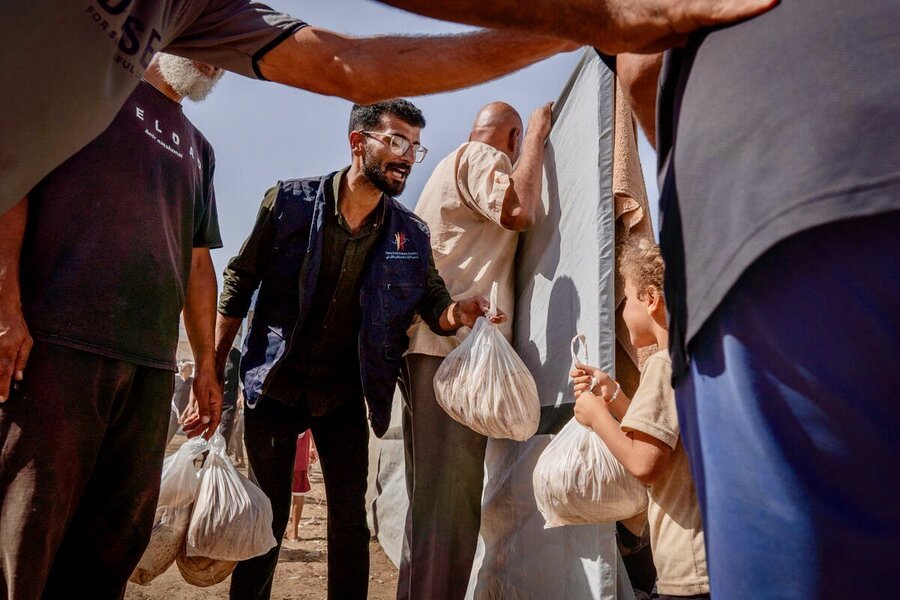
As of Dec 30th, the UN Office for Coordination of Humanitarian Affairs (OCHA) indicated since early December, Shelter Cluster partners reached over 80,000 households (approximately 448,400 people), providing 37,740 tents, 127,860 tarpaulins and 94,980 bedding items. In addition, almost 20,650 households were provided with winter clothing through in-kind as well as cash and voucher assistance.
Between 5 and 8 January, OCHA reported partners provided shelter assistance to approximately 21,735 households affected by the recent rainstorms across the Gaza Strip. This included tents, tarpaulins, sealing-off kits, kitchen sets, mattresses and bedding sets, and non-food item assistance through in-kind and vouchers
UN partners working in the shelter sector stressed that “tents cannot serve as the primary and sole shelter modality in Gaza, as they provide only temporary cover.” They highlighted the urgent need to accelerate the shift to more durable solutions.